Article: Coffee Myths Debunked: Fact vs. Fiction
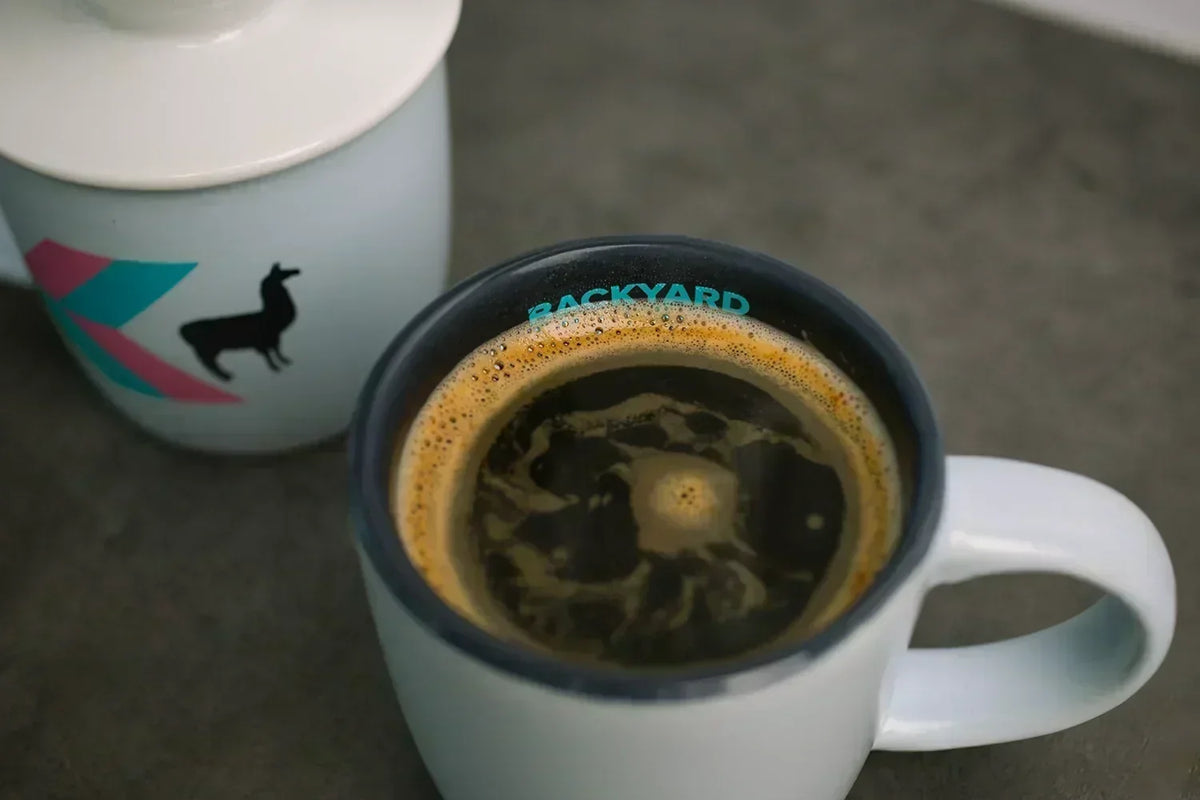
Coffee Myths Debunked: Fact vs. Fiction
Espresso Beans Are a Different Type of Coffee Bean.
Not quite! Espresso is not a specific bean or roast, it’s a brewing method! You can use any coffee beans you’d like as long as you grind them fine enough for an espresso machine. Most people and cafes use medium or dark roasts for that classic, rich espresso.
Coffee Tastes Best Immediately After Roasting.
Fresh coffee is great, but it can actually be too fresh! Right after roasting, beans release carbon dioxide in a process called degassing. If you brew too soon these gas bubbles push water away from the coffee grounds. This leads to uneven extraction and coffee that tastes weak, sour, or even bitter. Let your beans rest for at least a few days to a week after the roast date!

You Should Always Use Boiling Water to Brew Coffee.
Definitely not! Water temperature is a frequently overlooked factor when it comes to coffee brewing. It’s actually just as important as brew ratio, grind size, and brewing time. The sweet spot for brewing coffee is between 195-205°F. At this temperature you’ll get a nice balanced flavor and full aroma. Brewing with boiling water, 212°F, results in a harsh or bitter taste, muted flavors, and dark roasts will overextract. We recommend purchasing an electric with temperature control to get the best cup!
Decaf Coffee is 100% Caffeine-Free.
Despite the name, decaf coffee is not completely caffeine-free. A typical cup can still contain a small amount of caffeine, typically around 2-15 milligrams, depending on the coffee, serving size, and brewing method. In general, decaffeination removes about 97% of the caffeine, but a small amount remains behind. The decaffeination process happens while the coffee beans are still green, or unroasted. The decaf we source utilizes water and a specialized filtration system to remove most of the caffeine.

Espresso Has More Caffeine Than A Regular Cup of Coffee.
Espresso definitely tastes stronger and is more concentrated than a typical cup of drip coffee, but that doesn't necessarily mean it contains more caffeine. A single shot of espresso contains roughly 60-65 milligrams of caffeine, while an 8 ounce cup of drip coffee can contain around 95 milligrams. The big difference is serving size. You're drinking a much smaller amount of liquid when you have a shot of espresso. Because you consume it quickly, the caffeine can also feel like it hits you faster.
Dark Roast Coffee Has More Caffeine.
True! Light roast beans are more dense than dark roast beans, so if you measure your brew by scoops instead of weight, you will use more coffee in your light roast brew. So, dark roasts do in fact have more caffeine because you are getting more beans in every portion if you weigh it out compared to a light roast coffee.


1 comment
I disagree with your findings about Dark roasted coffee having more Caffeine ?
All the information and research I’ve seen and read, state Light Roasted coffees have more caffeine comparing the same amount of coffee brewed and the same brewing method and same yield !
This is due to the fact that the longer you roast coffee the more caffeine is roasted out, along with other things.
The lighter roast is denser not allowing the caffeine to roast out because of the shorter roast time and the coffee beans do not expand and become more porous allowing this to happen.
Joe DiPangrazio
Leave a comment
This site is protected by hCaptcha and the hCaptcha Privacy Policy and Terms of Service apply.