


From Cup to Garden: The Benefits of Coffee Grounds
Have you ever dumped your coffee grounds into the trash and thought, “I feel like I should be using this for something…” Turns out, you totally can!
Coffee grounds are one of those everyday leftovers that still have plenty of life left in them after your morning cup. Instead of heading straight for the garbage, they can actually help your garden thrive, give your houseplants a little boost, and even help keep certain pests away. Not bad for something most of us throw out without a second thought.
Whether you’ve got a full backyard garden, a few raised beds, or just a stubborn little pothos sitting on the windowsill, coffee grounds can become an easy (and sustainable) addition to your plant care routine.
Why Plants Like Coffee Grounds
Used coffee grounds contain nutrients like nitrogen, potassium, and phosphorus, all things plants need to grow healthy and strong. They’re not some magical instant fertilizer, but over time they can improve soil quality and add organic matter that plants love.
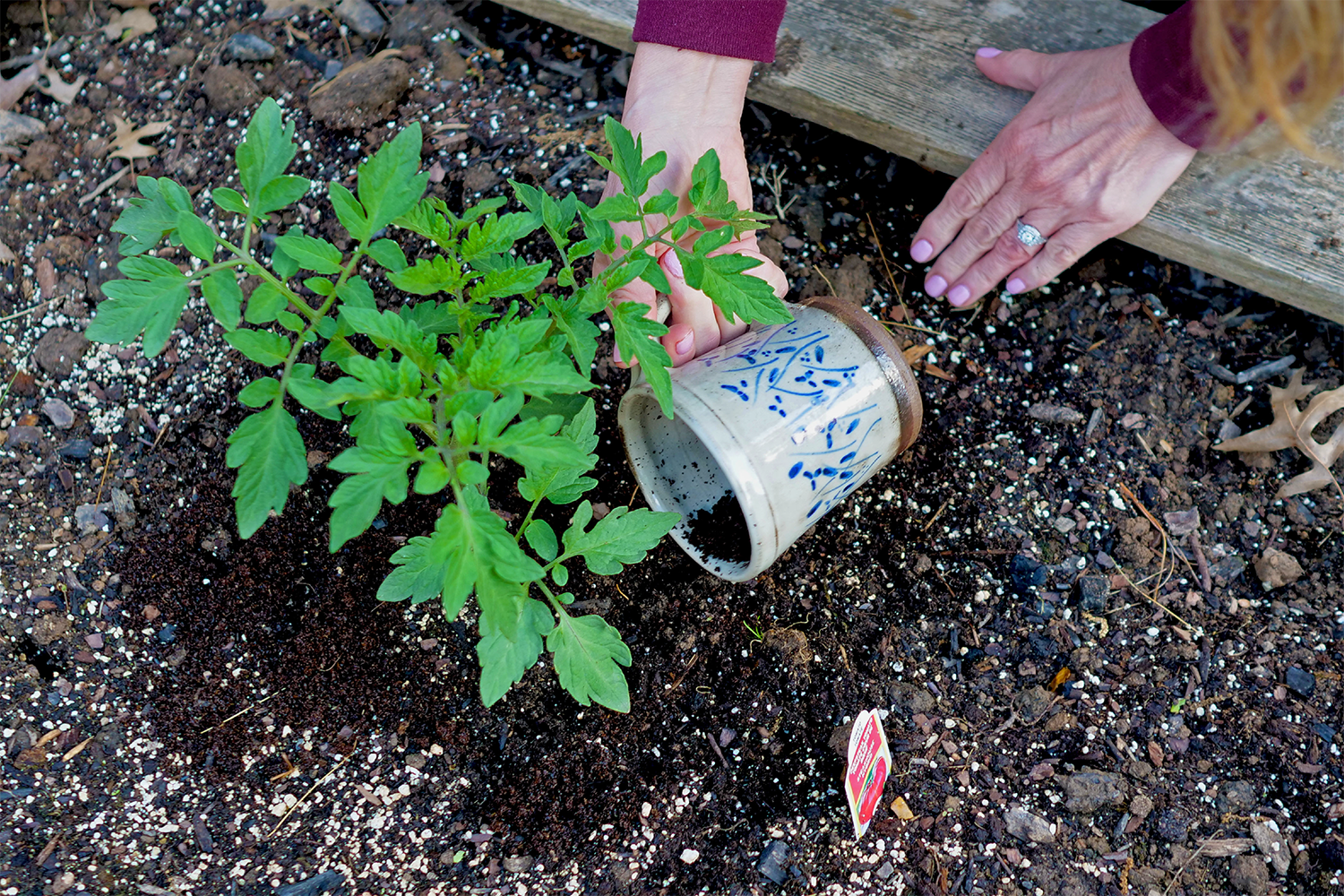
In outdoor gardens, sprinkling a light layer of coffee grounds around flowers, vegetables, or shrubs can help enrich the soil and support healthy microbial activity.

Coffee Grounds for Houseplants
Good news for indoor plant parents: houseplants can benefit too, just don’t go overboard.
A small amount of used coffee grounds mixed into potting soil or compost can help provide nutrients and improve drainage. Plants that prefer slightly acidic soil, like pothos, philodendrons, ferns, and some orchids, may especially enjoy the extra boost. Not all plants will thrive with the addition of coffee grounds to their routine so make sure to do some research on each of your plants before adding!
Also, always use used coffee grounds. Fresh grounds are much more acidic and can be too strong for plants.

Outdoor Gardens & Compost Piles
Coffee grounds can also help garden beds hold onto moisture a little longer during hot summer months. When mixed properly into soil or compost, they improve texture and water retention without making things too heavy.
Some gardeners even mix coffee grounds into mulch to help regulate soil temperature and reduce weed growth. And while they’re not a miracle pest solution, many people swear by using grounds to discourage pests like ants, snails, and slugs from digging around flower beds. Worms also love coffee grounds, making them a great addition to compost piles.
A Little Goes a Long Way
Like most good things in gardening, balance matters. Too many coffee grounds can create dense layers that block airflow and trap too much moisture, so it’s best to mix them into compost or soil instead of piling them directly onto plants.
Using coffee grounds in your garden is one of those simple reminders that sustainability doesn’t have to be complicated. Your morning coffee can help nourish tomatoes in the summer, perk up your houseplants, reduce waste, and make you feel slightly better about how much caffeine you drink.
That’s a win-win!



Leave a comment
This site is protected by hCaptcha and the hCaptcha Privacy Policy and Terms of Service apply.